When most of the world shut down in 2020, that included my favorite sanctuary, the movie theater. And with cinemas closed, production companies pushed their scheduled releases to later in the year or into 2021. Some big Hollywood studios got nervous in the dog days of summer as it became clear relief was not on the horizon, and first-run movies, small and large, suddenly began appearing on streaming platforms like Netflix, HBO Max and Amazon Prime. As we move into the new year with great hopes and expectations, many movies we were anticipating before COVID changed the rules still sit waiting to be released (Wes Anderson’s The French Dispatch, Scott Cooper’s Antlers, the new 007, Dune). If I recall correctly, I saw only eight new movies in cinemas during 2020: 1917, Harriet, Birds of Prey, Portrait of a Lady on Fire, The Invisible Man, Emma and Tenet. I do realize that is still more than many of my friends see in theaters in a normal year, but it’s a fraction of the 25-30 I see outside the home annually. I’m very fortunate that two friends, also founding members of my Saturday Night Cinema Crew group, were determined to continue our weekend movie get-togethers. They built a movie theater in their backyard and we spent our Saturday nights watching a haphazardly curated collection of old movies, new movies, B-movies, foreign films, classics, trash, and anything else that struck our fancy. These outdoor screenings saved my mental and emotional well-being. So, while 2020 was almost a complete wash for many aspects of life for all of us, there were some good movies — even some great ones — that were released. We just had to find them. Of course, no year is complete without the stinkeroos, and 2020 saved its own surprise case of cinematic COVID for the last weeks of the year, infecting us all over the holidays with a cruddy case of sequelitis. Yes, I’m talking about the wretched Wonder Woman 1984, and enough said about that. Let’s talk about the movies I loved this year, in ascending order …
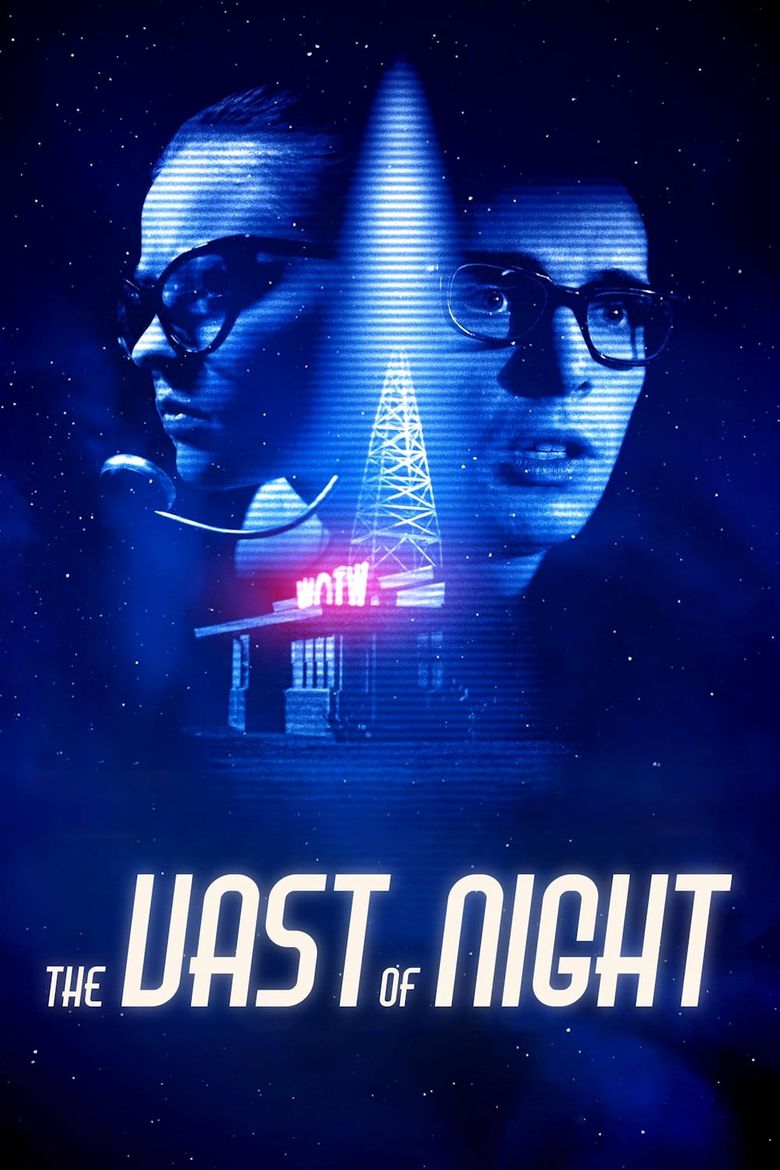
8. THE VAST OF NIGHT
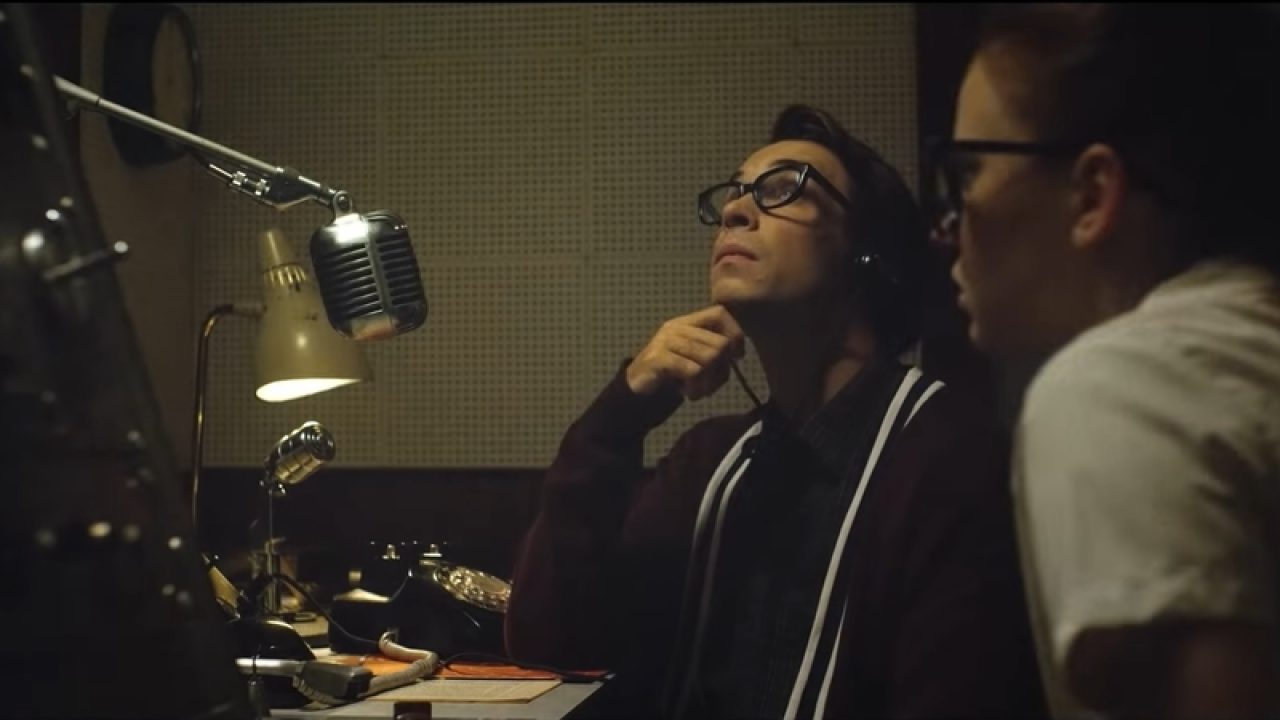
What I said in May: “… a throwback to The Twilight Zone of the late ’50s, early ’60s. No big stars, no budget, no real action scenes, not many special effects. But in its minimalism, The Vast of Space is riveting, eerie and gosh-darn charming, with an exhilarating visual style and a sound design that will creep you out. Weird noises on phone calls and radio frequencies lead a radio dj and a switchboard operator to suspect something unearthly is disturbing their small New Mexico desert town.”
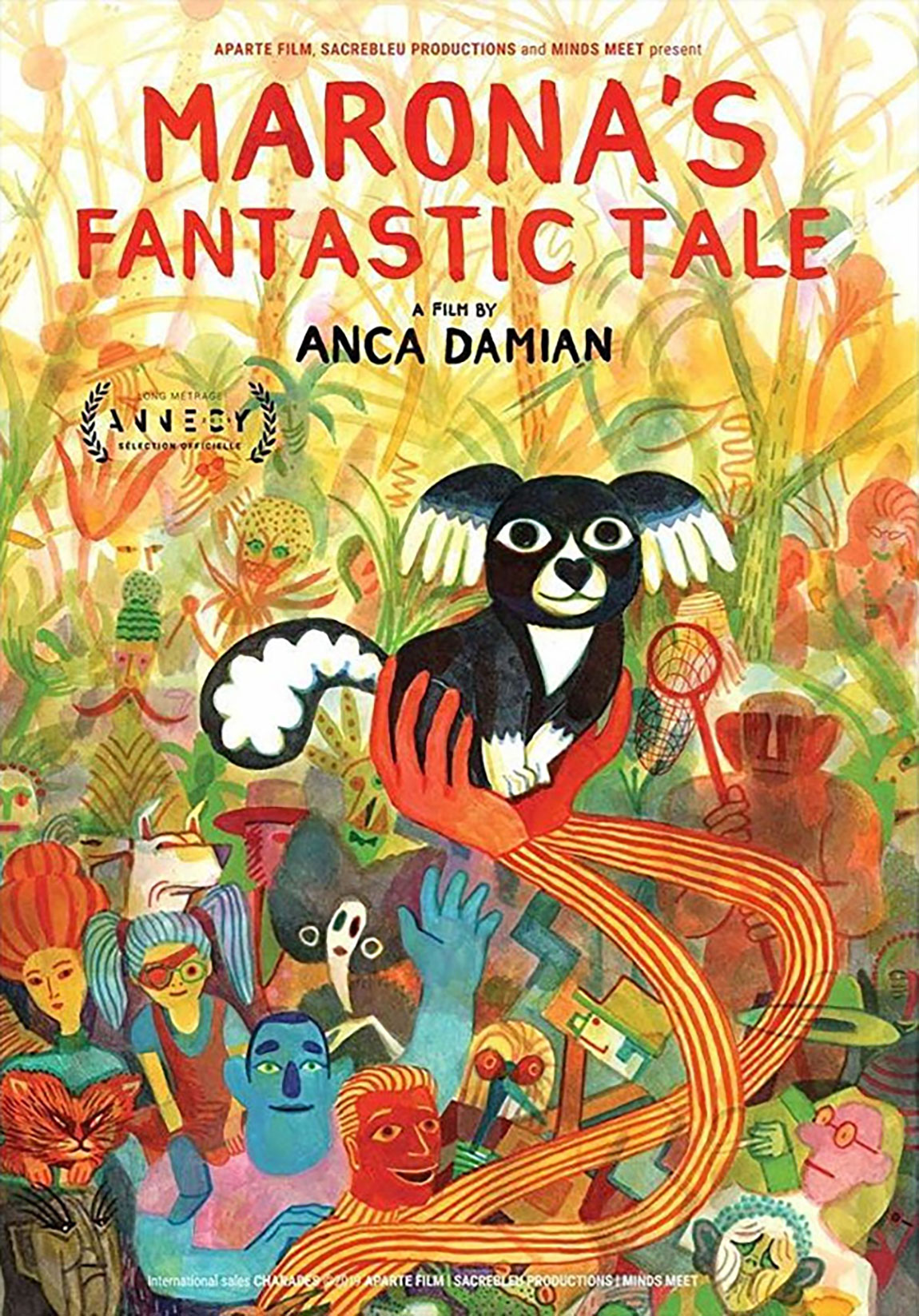
7. MARONA’S FANTASTIC TALE
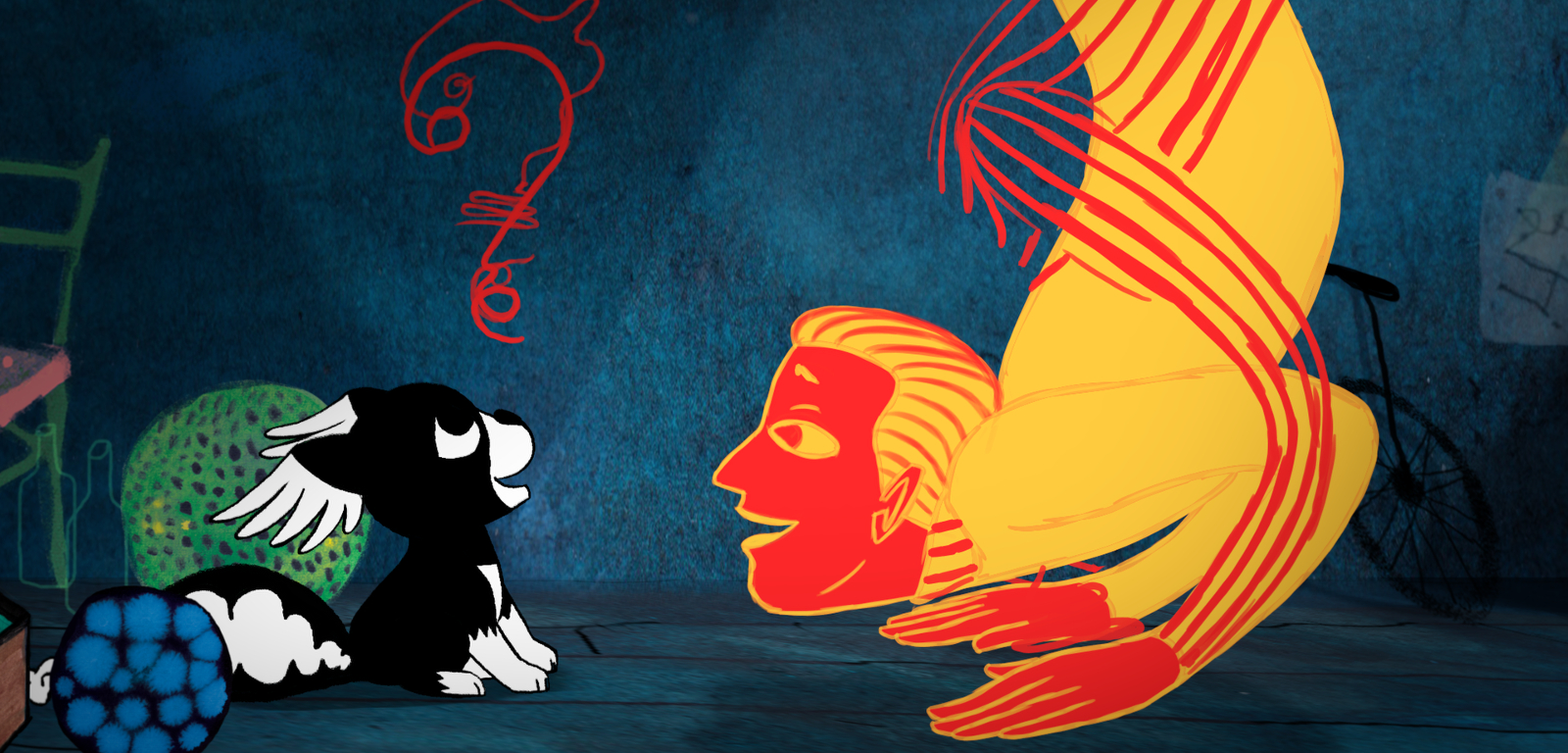
Marona’s Fantastic Tale (orig. L’extraordinaire Voyage de Marona), by far the best animated film this year, is a French story about a dog’s life, told in flashbacks from the dog’s memory as she lies dying after an accident. We accompany her as she is adopted, lost, rescued, abandoned, rescued again, from family to family, and bestowed with four names through her life — Nine, Ana, Sara and Marona. It’s a warm story about human nature as seen from a dog’s perspective: “For dogs, happiness is different than it is for humans,” she says. “We want things to stay exactly the same. But humans always want what they don’t have. They call it dreaming. I call it not knowing how to be happy.” What puts this Fantastic Tale a dog’s year ahead of other animated films is the imaginative and diverse animation techniques and styles used, almost as a collage, in telling the story. Each chapter of the dog’s life has its own artistic style and color scheme, which gives her adventures and misadventures with different humans unique tones. The animation pulls us into the dog’s experiences, wraps us up in loving arms, elevates us, spins us, exhilarates us, heightening Marona’s joy in being loved, protected and sheltered. But it also brings us to some very dark places as well, in her abandonment, loss and grief. Marona’s Fantastic Tale is a beautiful homage to man’s best friend, a loving reminder to give your critter another hug.
6. COLLECTIVE
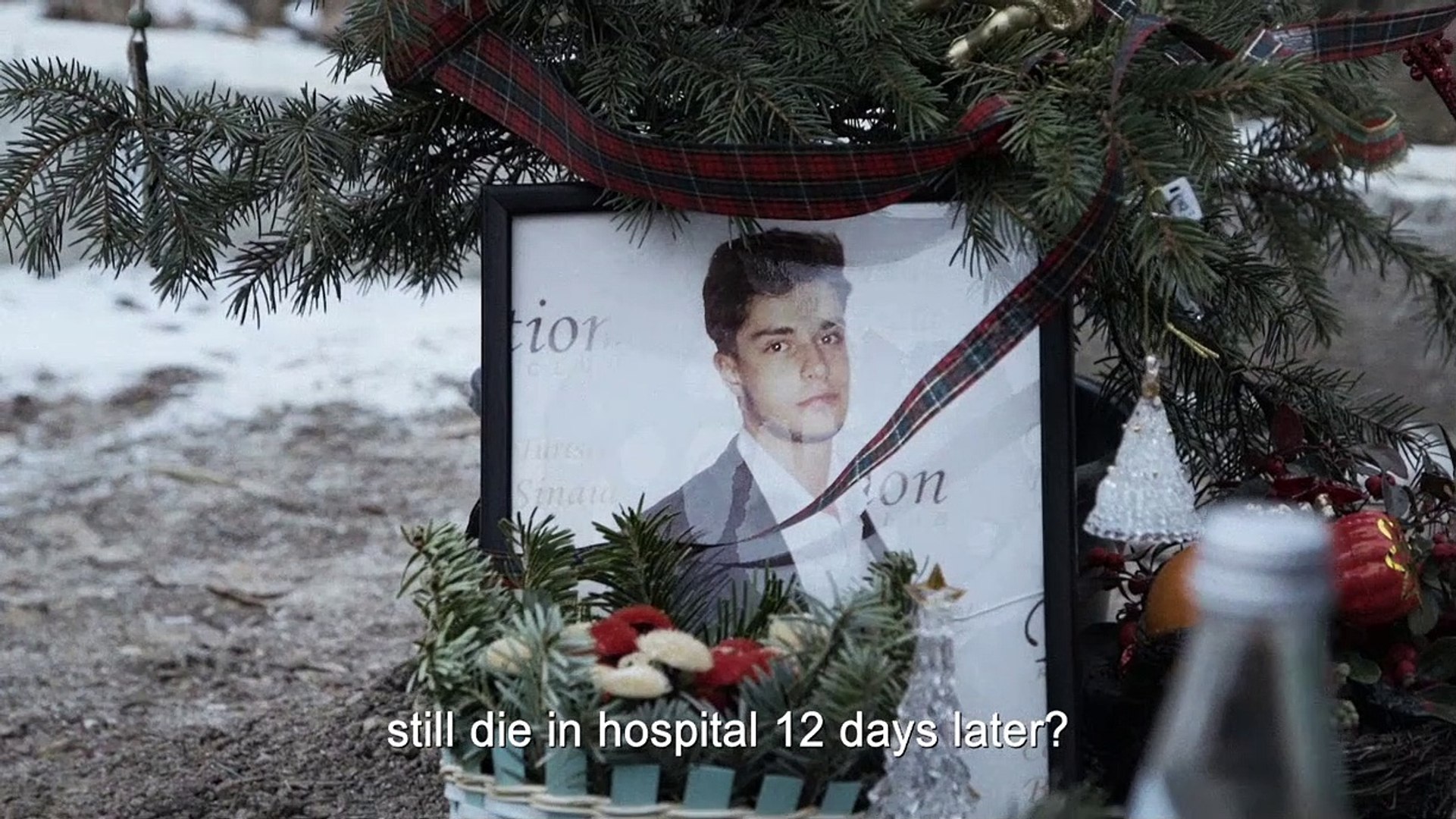
In 2015, a fire raged through the Bucharest nightclub Colectiv during a concert, a deadly inferno almost exactly like the one that ravaged the Station nightclub in Rhode Island in 2003. The Colectiv fire claimed 26 lives that night and injured 146. However, 38 of the injured died in Romanian hospitals in the weeks and months after, many from treatable but unchecked bacterial infections caused by unsanitized hospital conditions. The Romanian documentary Collective (orig. Colectiv) is not about the fire or victims or the survivors. It is about the long-established governmental corruption which led to the utter mismanagement of the country’s entire health care and hospital system, and the ferocious and frustrating battle journalists wage against uncaring politicians and bureaucrats to get the truth. Journalists today are maligned the world over, but I work with reporters every day, and I find them mostly to be hardworking professionals who are doing a public service. Collective underscores that ideal of public service. The Romanian journalists investigating the health care corruption are lied to, threatened, scorned by one unfit leader after the next as “enemies of the people” (where’ve we heard all this before?), but they press on, resorting to the age-old tricks of the trade — collaboration, days-long car stakeouts, months of research (which includes sifting through the most mundane public records and documents), and cultivating sources. And the more they press, the worse the revelations get, a seemingly bottomless pit of political rot. There are no “talking head” interviews in this documentary. The filmmakers were given extraordinary access, and the corrupt individuals do not fail them. Lies, distractions, distortions, contempt, and utter apathy for lives of citizens are all captured by the camera. Collective is great journalism about great journalism.
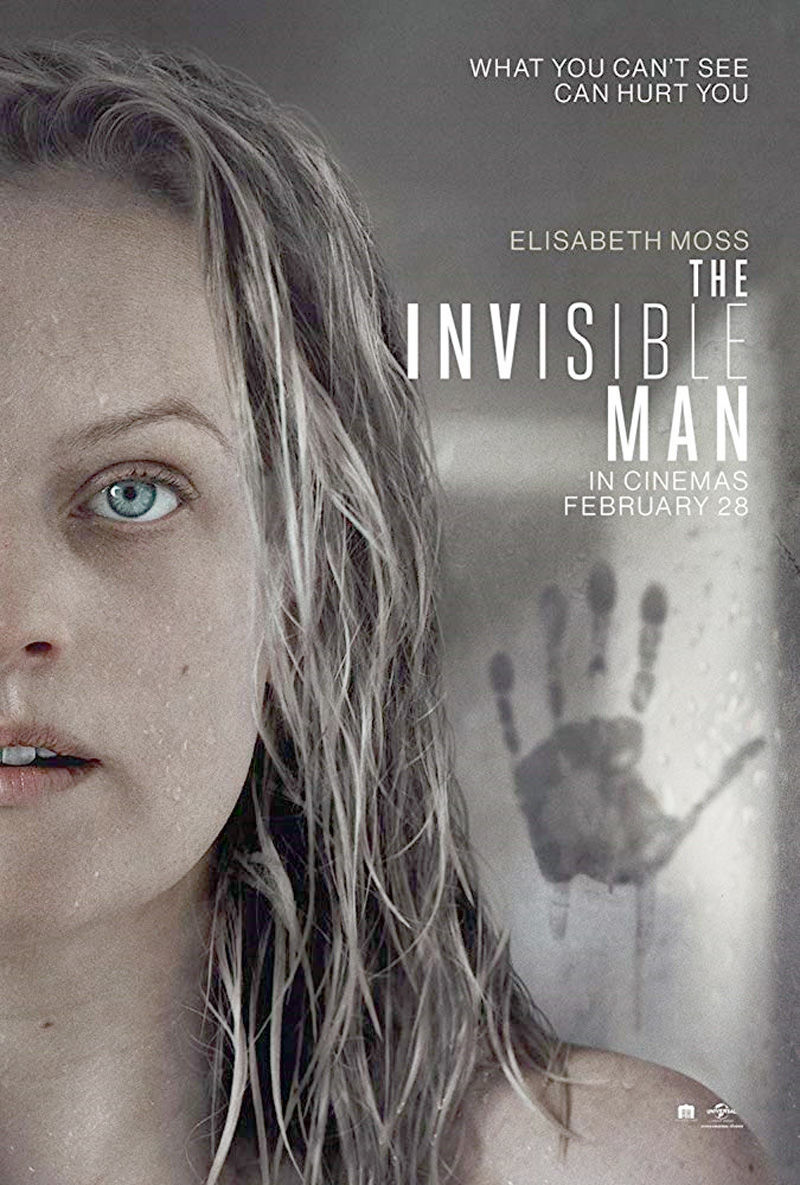
5. THE INVISIBLE MAN
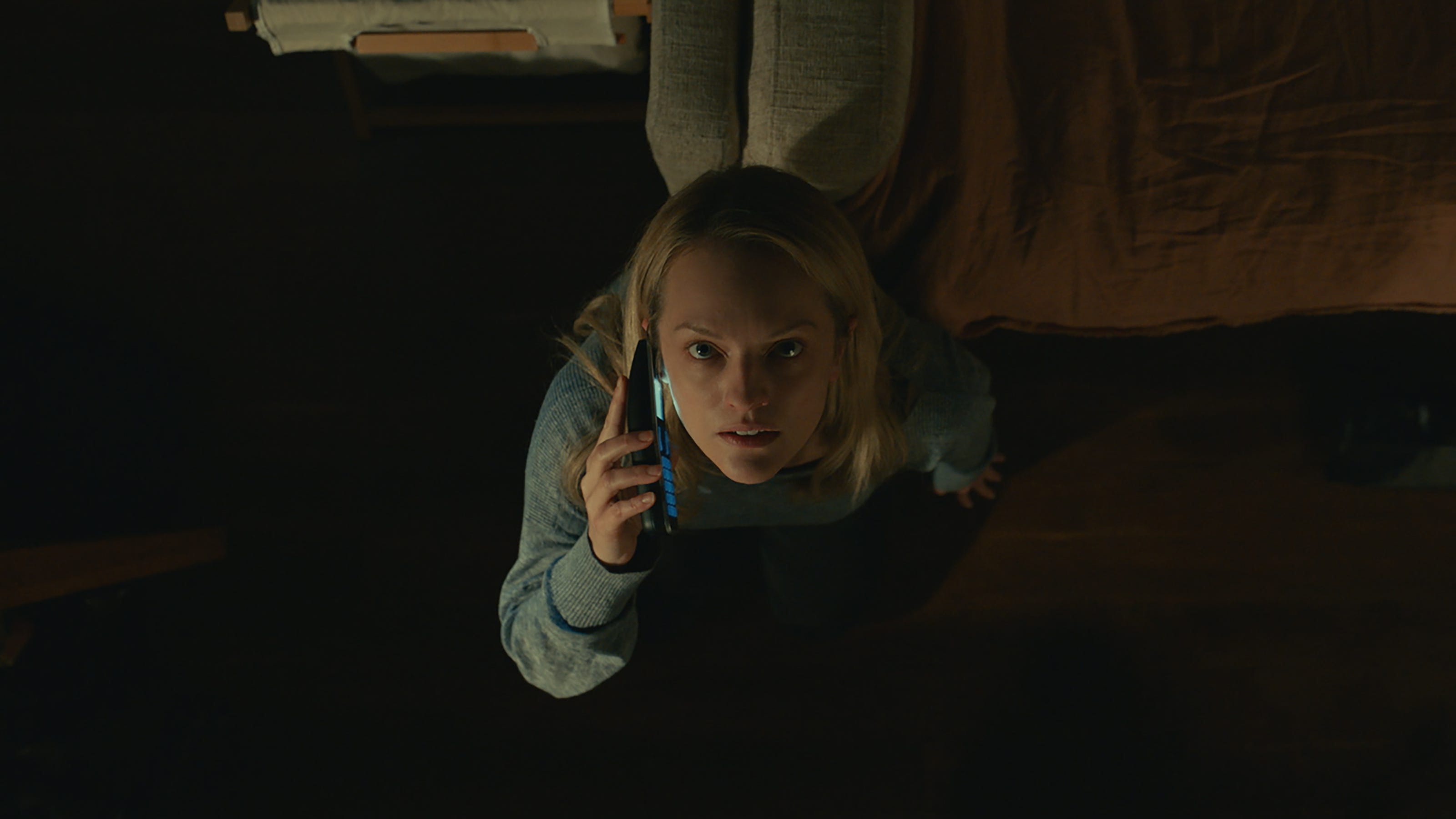
A few years ago, executives at Universal Pictures thought it would be a great idea to emulate the Marvel Cinematic Universe model, a series of interconnected stories — shared characters, situations, themes — that build upon each other movie by movie. Of course, Universal wanted to bring their stable of classic monsters to their so-called “Universal’s Dark Universe,” including Dracula, Frankenstein’s Monster, the Bride, Dr. Jekyll and Mr. Hyde, the Wolf Man and the Creature from the Black Lagoon. To push the Dark Universe in motion, the studio brushed the cobwebs off the 1932 Boris Karloff classic The Mummy and handed it to … Tom Cruise?The Dark Universe promptly disappeared into the black hole of that ill-conceived movie’s ridiculous mess. Instead, the studio offered the opportunity for filmmakers to rethink those classic monsters and create stand-alone features. Lucky for us, director Leigh Whannell is first up with a modern-day approach to Universal’s The Invisible Man, swapping bubbling potions and gauze bandages with quantum technology and a full-body optical suit. Add in a timely gaslighting #metoo storyline, and this upgraded Invisible Man becomes an intense, intelligent thriller. Actor Elisabeth Moss, a self-professed longtime horror movie fan, is terrific as a victim of domestic abuse, the “invisible crime” — it’s a metaphor that works brilliantly here. A smart move, changing the story’s perspective from the Invisible Man in the 1933 original to that of an “invisible” woman in this smart and entertaining remake. With stand-alone remakes of The Wolf Man, Dracula, Frankenstein and The Bride of Frankenstein in various stages of preproduction, there might yet be life in Universal’s Dark Universe.
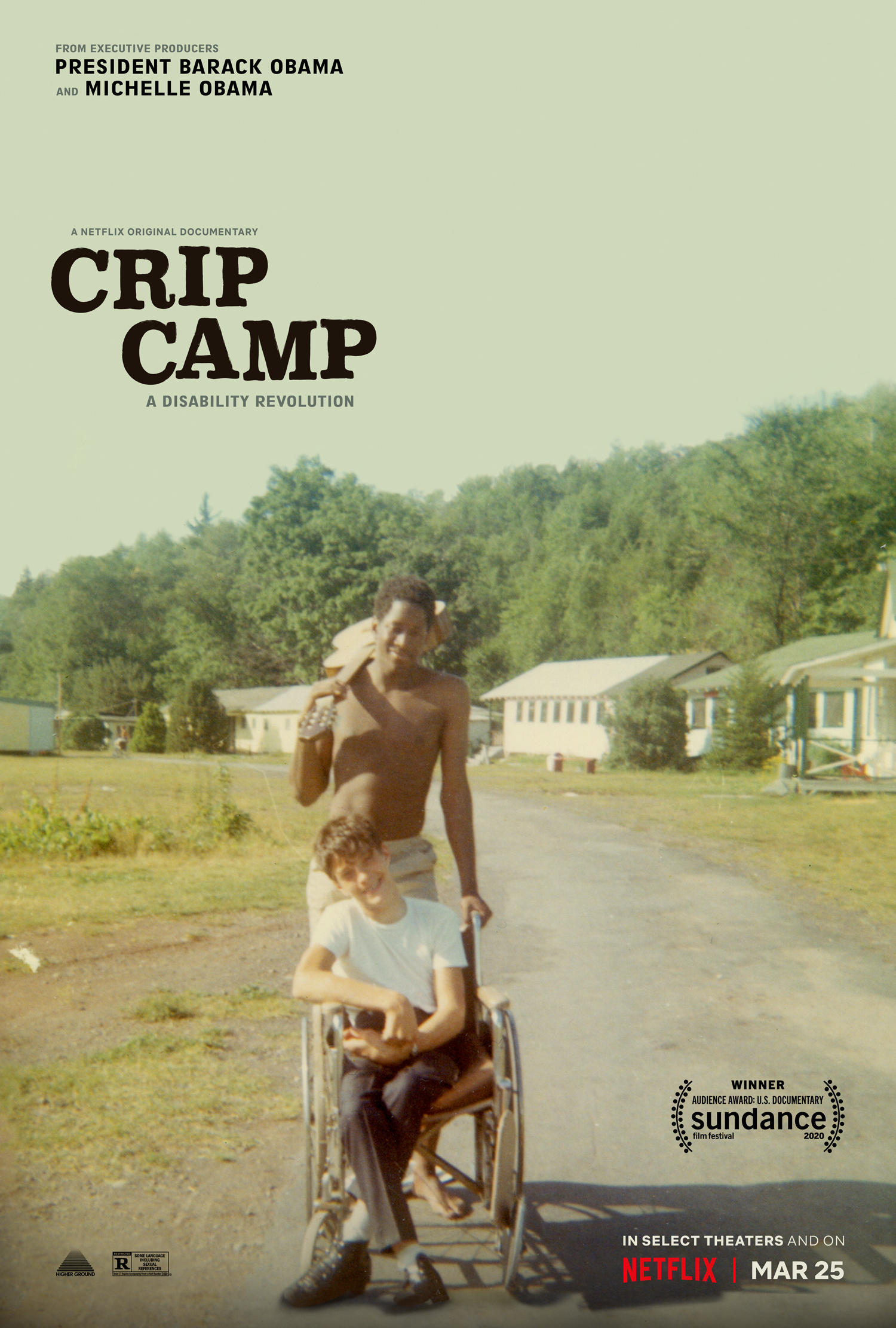
4. CRIP CAMP

“Excuse me?”
My favorite documentary of 2020 is Netflix’s Crip Camp. In 1971, a group of disabled teenagers attend a free-spirited rural New York summer camp “run by hippies.” It’s an enlightening and empowering experience for these youngsters, many of whom had not, until that trip, met another handicapped person. For the first time in most of their lives, the campers were able to participate in activities they had been excluded from: swimming, baseball, dances — even dating and kissing (and more!). As they experience opportunities most of us take for granted, the campers are inspired to become politically active. “At Camp Jened we were able to envision a world that didn’t have to be set up in a way that excluded us,” one camper remembers. “We started to have a common vision and were beginning to talk about things like, ‘Why are buses not accessible?'” This awakening leads several of the campers to become leaders in the disabled activism movement, taking on cities, states and the federal government — memorably President Richard Nixon’s veto of the Rehabilitation Act of 1972. Incredibly, many of these audacious and persistent rebels find themselves in the front line of the battle to get the Americans with Disabilities Act of 1990 passed. This documentary is as unpretentious, adventurous and tenacious as its subjects. It’s boisterous rather than sentimental, joyful rather than didactic. Crip Camp is a keeper.
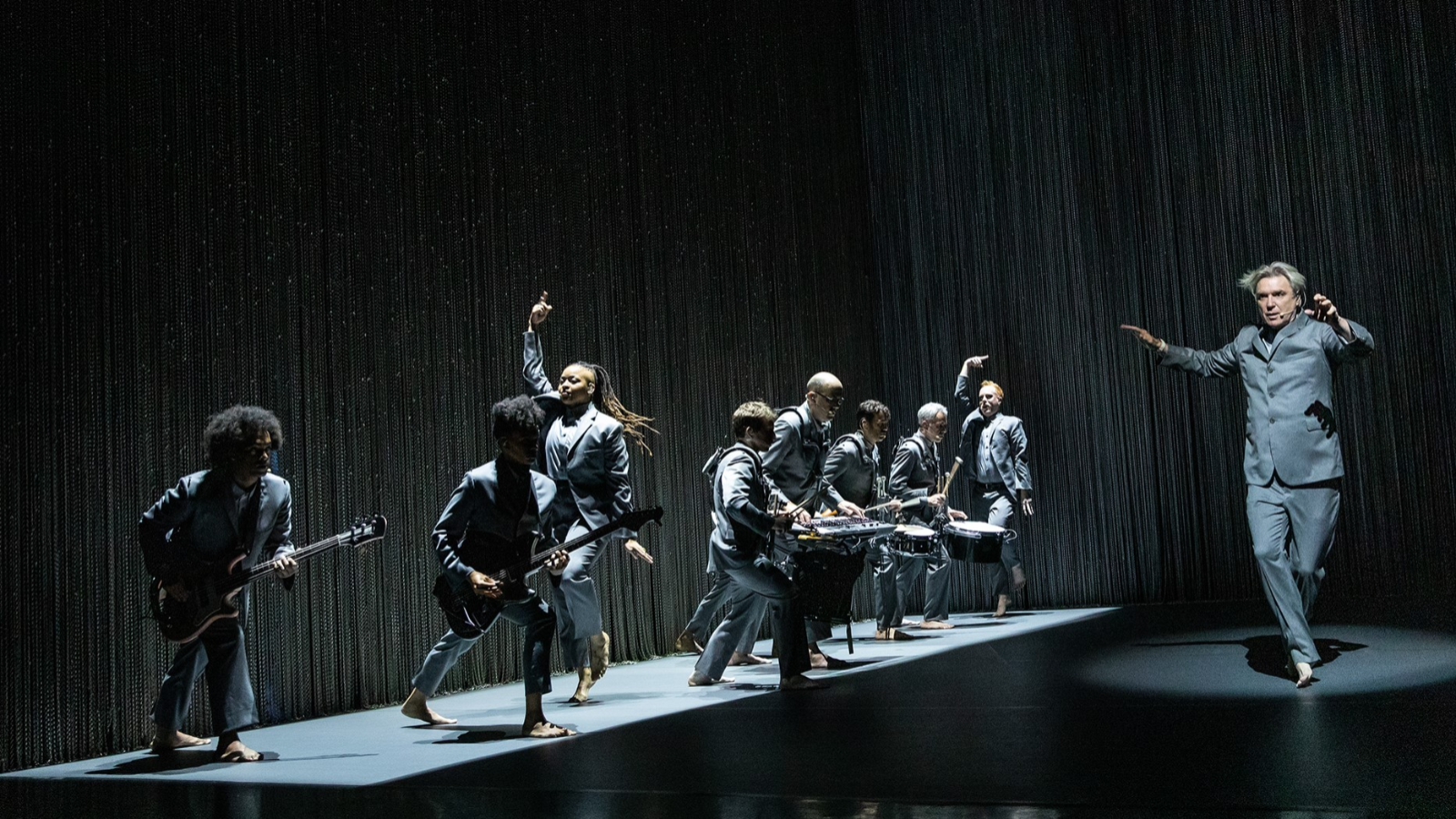
3. DAVID BYRNE’S AMERICAN UTOPIA
I don’t care
Here is where time is on our side
Take you there, take you there”
In March 2018, David Byrne, former lead singer of the band Talking Heads, released the album American Utopia, a melodic collection that swings, in true Byrne fashion, from anxiety to optimism — often in the same song. A month later I saw Byrne’s American Utopia tour in San Diego, a dazzlingly buoyant and euphoric concert of motion and sound, one of the best live music experiences I’ve ever had. In December 2019 I saw Byrne’s American Utopia reinvented on a Broadway stage. It was an emotional experience — joy, tears, rapture — the audience rarely sat. Director Spike Lee captures all of this and more in his filmed version of Byrne’s stage show, while also injecting just the right amount of Lee’s own trademark style and personality. A great match. I enjoyed this truly American experience just as much the third time.

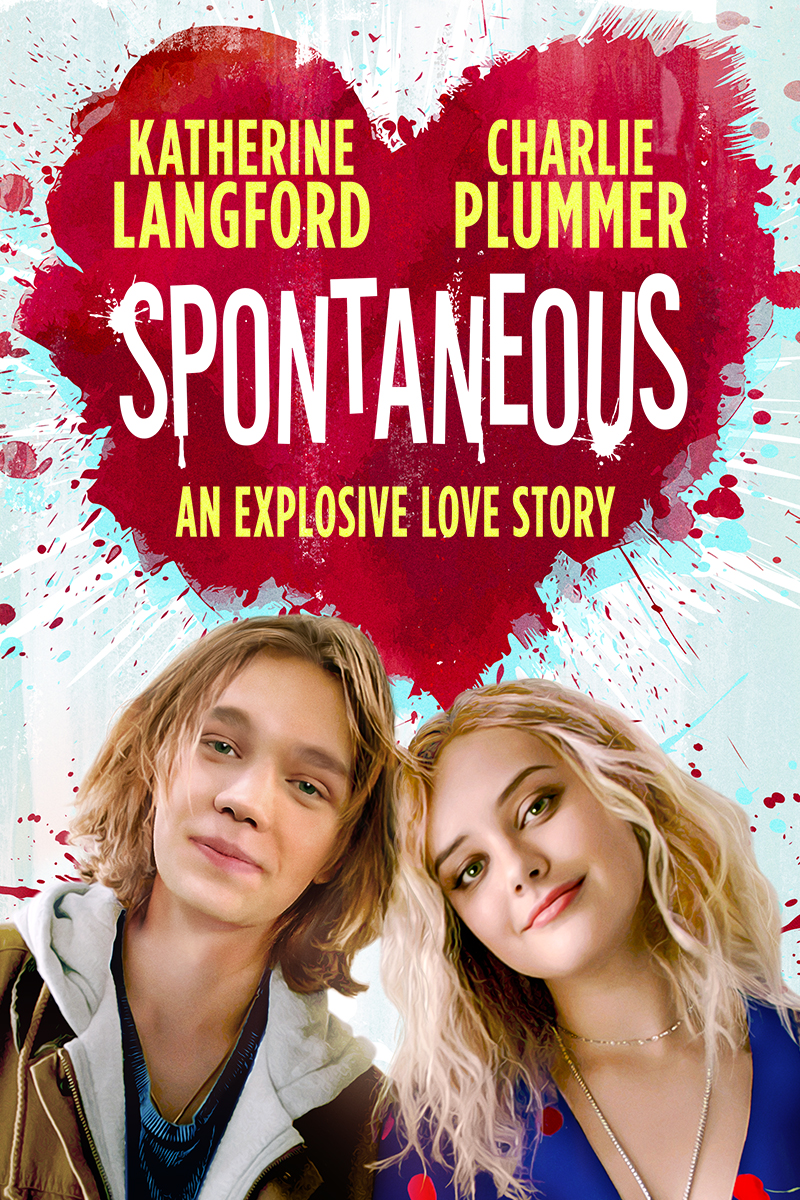
2. SPONTANEOUS

I have to thank Matt Rotman at the great horror and exploitation movie site Bonkers Ass Cinema for bringing Spontaneous to my attention at the very end of the year. In fact, Spontaneous is the very last movie I saw in 2020, as the clock neared midnight on New’s Year Eve. It made the top of Matt’s year end list and came pretty close to swiping my #1 spot. And it was the perfect movie to watch as we ushered 2020 out the door. The movie is based on a 2016 novel and was filmed before the COVID pandemic, but the parallels between the story and our own life-altering reality are uncanny. When teenagers literally and inexplicably start exploding (yes, like POP!), students at a suburban high school are confronted with an inept government response, quarantine, conspiracy theories, conflicting medical advice, and an ever increasing number of dead classmates. Sure sounds like a topical drama, but Spontaneous is something else — a teen romance? A high school comedy? A sci-fi/horror movie (“It was like a Cronenberg movie,” one student marvels after a classmate “pops”)? At times, Spontaneous is each of those things, sometimes all of those things at once. Lead actors Katherine Langford and Charlie Plummer have chemistry to spare as Mara and Dylan, who fall in love as the community around them goes to hell. The story is Mara’s, and her personal journey from cynical, shallow teen to empathetic, attentive young adult is compelling, thanks to a helluva performance from Langford, who you might know from 13 Reasons Why or Knives Out. Take a chance on this one. It’s probably the funniest movie I’ve seen this year, as well as the most affecting and surprising. Spontaneous is a bloody good time.
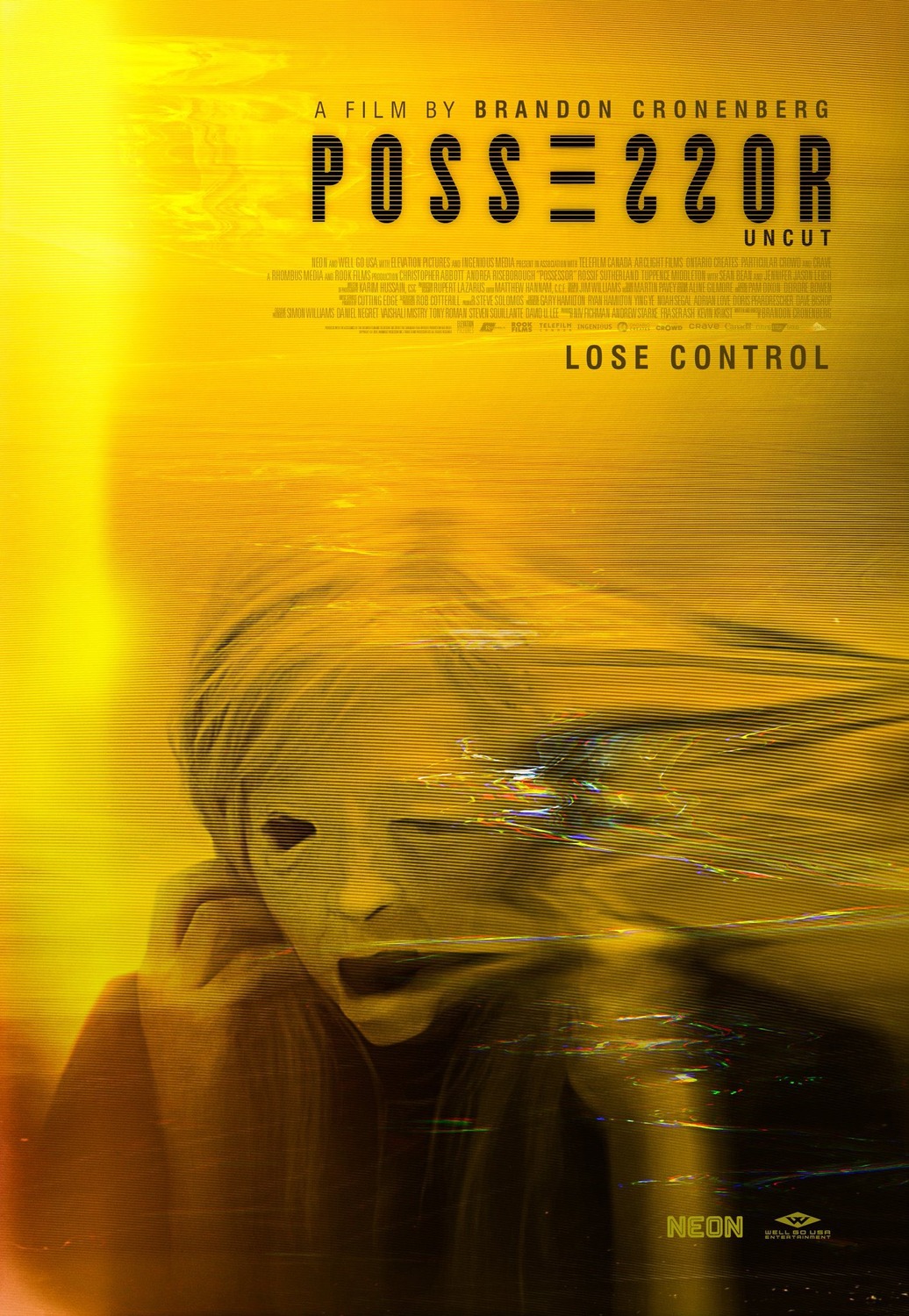
1. POSSESSOR

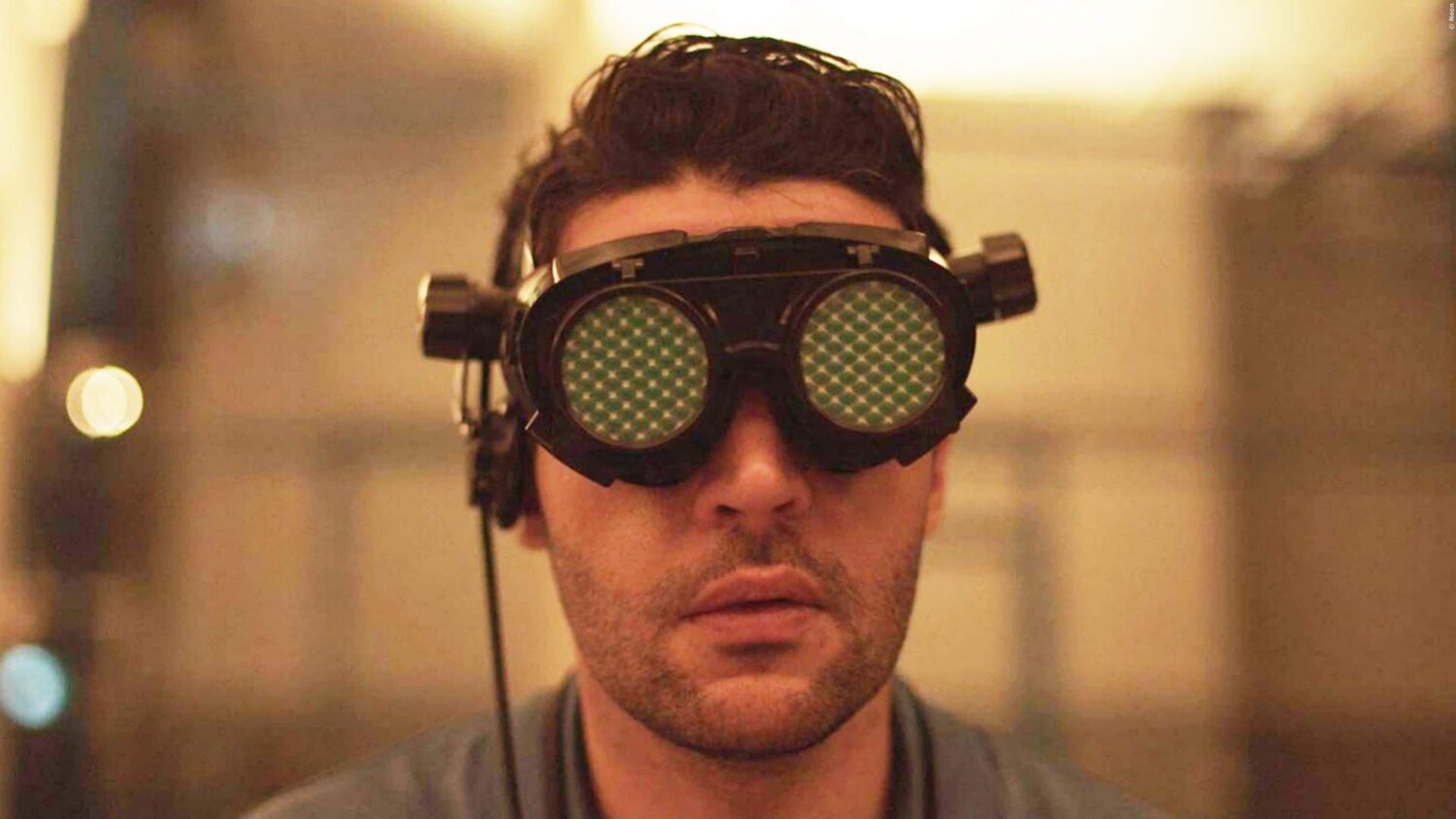
Possessor is the one movie this year that completely took me away from my environment, made me forget for nearly two hours the messy state of the world and my own living room isolation. It’s that good. But most of my friends will likely stay far, far away from this movie, and with a few exceptions, that’s okay, because Possessor is a brutal, incredibly violent, pitch-black, nihilistic, bleak, unsettling, visceral nightmare of a film. If you’re still with me, well … great!, because Possessor is also crazy entertaining, unpredictable, fascinating, unique and mesmerizing. And extra points for Jennifer Jason Leigh, always a welcome presence for me, in a casually amoral key role. Tasya Vos, portrayed by Andrea Riseborough, is a corporate assassin who can take control of another person’s body by way of a microchip implanted in their brain. The “vessels” are carefully chosen for their proximity or access to targets, and when the kill is complete, Vos returns to her own body by making the vessel commit “suicide” … and posthumously get the blame, of course. All’s well for the assassin, her employers and their clients … until a lucrative job goes horribly awry. The latest vessel might not be completely under the control of the assassin, and a routine hit spirals into a chaotic bloodbath. Did I tell you Possessor is violent? Yes, it is, and that violence goes to extremes many movies wouldn’t dare. Don’t say I didn’t warn you, lightweights. But Possessor is a suspenseful, thought-provoking piece of fiction that has quite a bit to say about our lives, our dependency on technology, and the manipulation of that technology by increasingly parasitic corporate entities. This is director Brandon Cronenberg’s second full-length movie. His name might sound familiar — his dad is veteran filmmaker David Cronenberg (who gets a funny shout out in my #2 movie, Spontaneous), the guy who made The Brood, Scanners, Videodrome, The Dead Zone, The Fly, Dead Ringers and Existenz. Dad’s obsession with body horror has obviously been passed on to junior, but Brandon doesn’t mimic David’s classics; he has his own style and his own vision. I’m very excited to see what he creates next. He’s set quite a bar with Possessor, a movie that’s going to be remembered and talked about for a long, long time.
 The Most Beautiful Fraud